Wayve AI Driver is an AI driving system. NVIDIA DRIVE is an end-to-end development and production platform. Comparing them as if they were identical products hides the most important difference: they sit at different layers of the autonomous-driving stack.
What Wayve provides
Wayve’s core product is the Wayve AI Driver, built around an end-to-end learning approach the company calls AV2.0. Instead of depending primarily on hand-coded rules and high-definition maps, Wayve trains models from driving experience so the system can learn how to perceive road scenes and produce driving behaviour across different vehicles and geographies.
Wayve positions this as embodied / Physical AI: intelligence that perceives the real world and produces physical actions through a vehicle.
What NVIDIA DRIVE provides
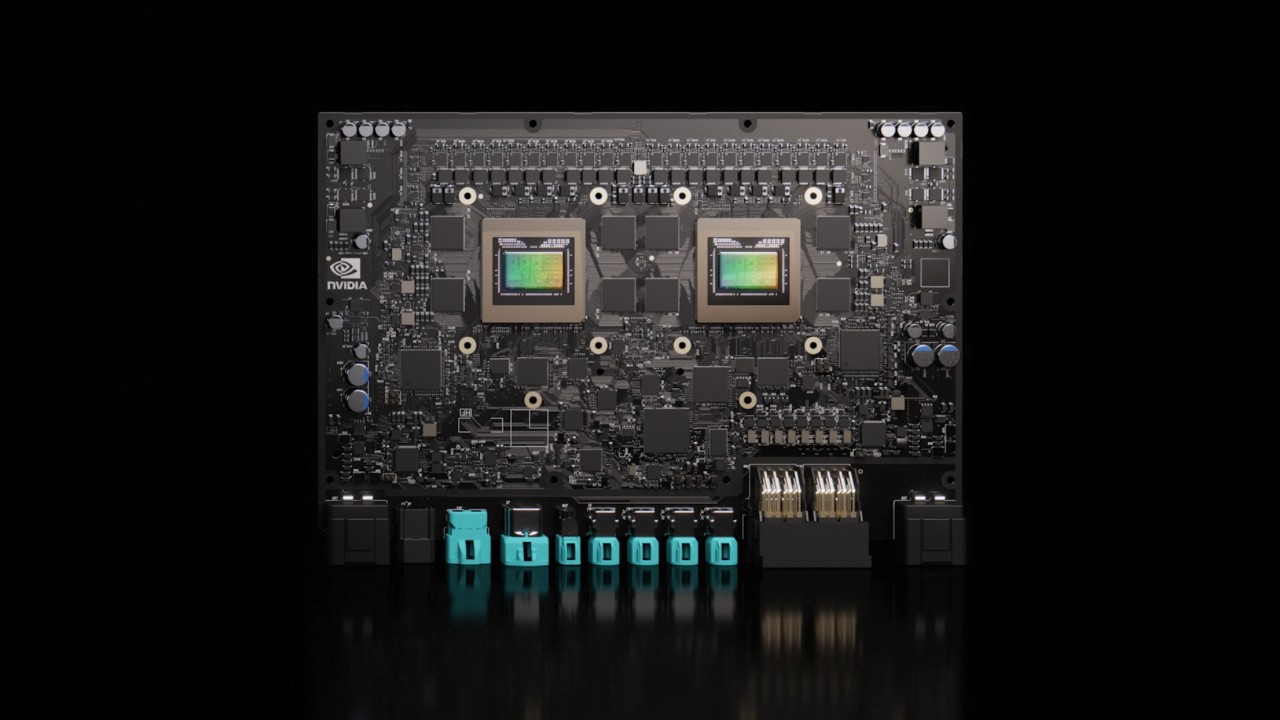
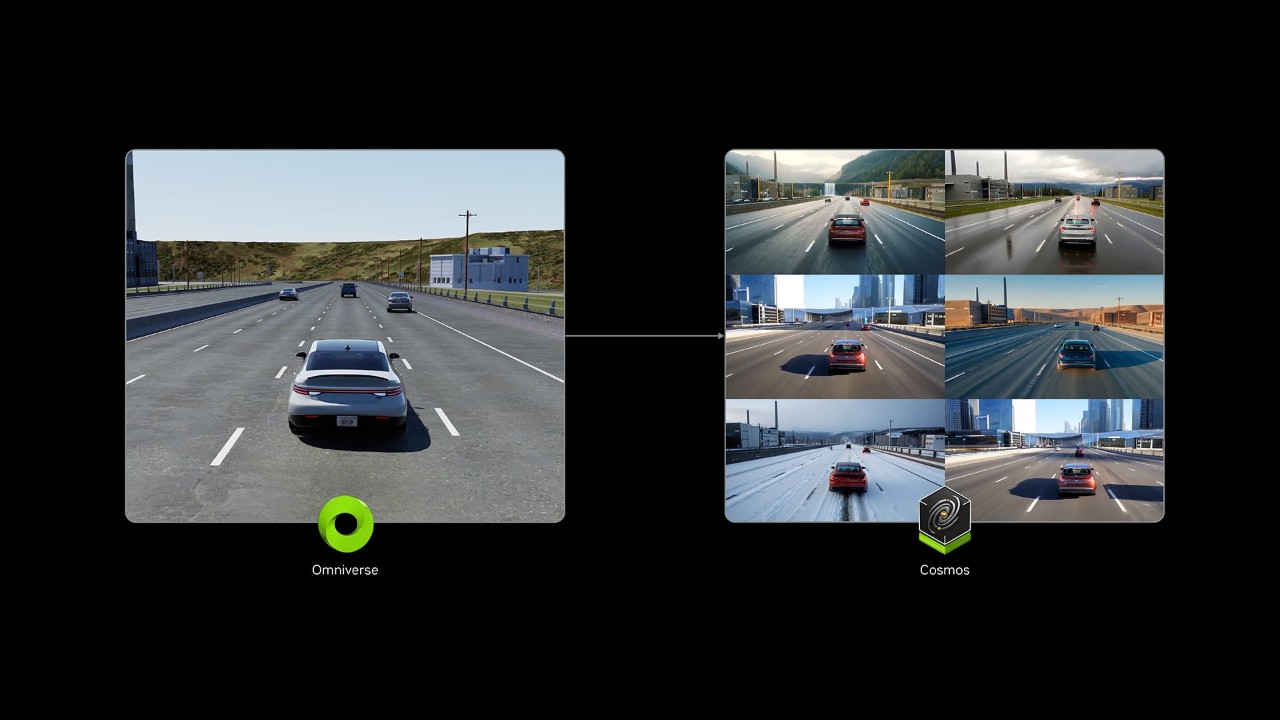
NVIDIA’s current autonomous-vehicle platform spans several layers. Its “three-computer” model includes DGX for training, Omniverse and Cosmos for simulation and validation, and DRIVE AGX for in-vehicle computing. NVIDIA also offers DRIVE AV software, DriveOS, Hyperion reference hardware, Halos safety technologies and Alpamayo reasoning models.
That means an automaker can use NVIDIA purely as a compute and infrastructure supplier, use more of NVIDIA’s software stack, or combine NVIDIA hardware and tooling with another company’s driving AI.
Wayve vs NVIDIA at a glance
| Layer | Wayve | NVIDIA |
|---|---|---|
| Core identity | End-to-end AI driving system / AI Driver | Full AV development + deployment platform |
| Model approach | Embodied AI, end-to-end learning | Supports modular, end-to-end and reasoning-model approaches |
| Training infrastructure | Uses large-scale cloud training and fleet learning | DGX and data-factory tooling |
| Simulation / validation | Wayve world-model and evaluation work, including GAIA | Omniverse, Cosmos, NuRec, AlpaSim and related tooling |
| In-vehicle compute | Designed to run across partner vehicle platforms | DRIVE AGX Thor / Orin, DriveOS, Hyperion |
| Production AV software | Wayve AI Driver | DRIVE AV plus partner software can run on NVIDIA compute |
| Safety framework | Wayve Safety 2.0 plus automotive safety processes | NVIDIA Halos plus safety-certified hardware/software components |
Can Wayve and NVIDIA be used together?
Yes. The clearest evidence is Wayve’s own September 3 announcement: it says future Wayve/Uber Nissan LEAF deployments in Tokyo will use the Wayve AI Driver on NVIDIA DRIVE Hyperion. That is a direct example of Wayve’s driving intelligence being paired with NVIDIA’s vehicle-compute platform.
This is why “Wayve vs NVIDIA” is useful only when the exact layer is specified. Wayve can compete with parts of NVIDIA’s autonomous-driving software stack while simultaneously using NVIDIA compute or development infrastructure.
Where Mercedes-Benz fits
On September 22, 2026, Wayve and Mercedes-Benz announced a definitive agreement to integrate Wayve AI Driver into future Mercedes vehicles for advanced urban and highway point-to-point driving assistance. The announcement is important because it shows Wayve moving toward large-scale production integration, not just robotaxi pilots.
Why simulation and validation are becoming strategic
End-to-end driving models create a validation challenge: behaviour is learned across large models instead of being represented only as easily isolated hand-coded modules. Wayve’s GAIA work and NVIDIA’s simulation stack both reflect the same industry pressure — proving performance across rare “long-tail” scenarios without relying only on public-road miles.
For a buyer, the important point is that impressive AI capability is only one part of the product. Production autonomy also depends on validation, an evidence-backed safety case, operational limits, redundant vehicle systems and regulatory approval.