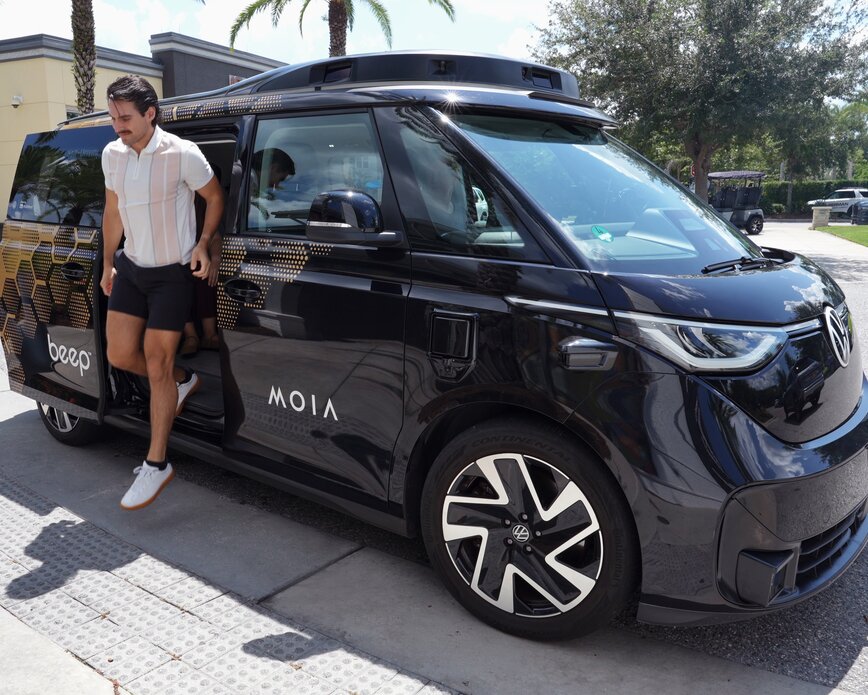
A robotaxi combines an automated driving system with a ride service. The important questions are not only “Can it drive itself?” but also where, under what conditions, and whether a human driver is required.
How does a robotaxi work?
A typical robotaxi uses cameras, radar and sometimes LiDAR; high-performance vehicle compute; localization; perception; prediction and planning software; drive-by-wire actuation; remote fleet operations; and a rider app. Some systems use detailed maps, while others rely more heavily on learned end-to-end driving models.
Are all robotaxis Level 4?
Most commercial driverless robotaxi concepts target Level 4: the automated driving system handles the full driving task within a defined operational design domain. However, early passenger pilots can still include onboard safety drivers or operators while the system is validated and regulators gain evidence.
What is an operational design domain?
The ODD describes the conditions in which the automated system is designed to operate — for example a specific city, road types, weather limits, speed range, mapped zone or time of day. A Level 4 system does not have to drive everywhere; it must safely handle the driving task within its ODD.
Robotaxi vs autonomous private car
A robotaxi is a mobility service. A privately owned automated car is a consumer product. They can use similar sensors and AI, but fleet operations, cleaning, charging, remote support, pickup behaviour and regulatory obligations make robotaxi deployment a distinct engineering and business problem.