“Supervised” tells you that a human oversight layer still exists. It does not by itself define the SAE automation level of the underlying technology.
What does the human supervisor do?
Depending on the program, the supervisor may monitor system behaviour, watch the road, take control when necessary, record unusual events and support testing procedures. In public passenger trials the supervisor may also satisfy local licensing and operating requirements.
Is this the same as Level 2?
No. SAE levels classify who performs the driving task and fallback. “Supervised autonomous” is often used operationally for testing or phased deployment. A system can be technically designed toward higher automation while still being tested with a safety driver.
Is this the same as Level 4?
Not when a human driver is still required as the operational fallback. In Level 4, the automated driving system performs the driving task and fallback within its defined operational design domain; a human driver is not required to operate the vehicle there.
Current examples
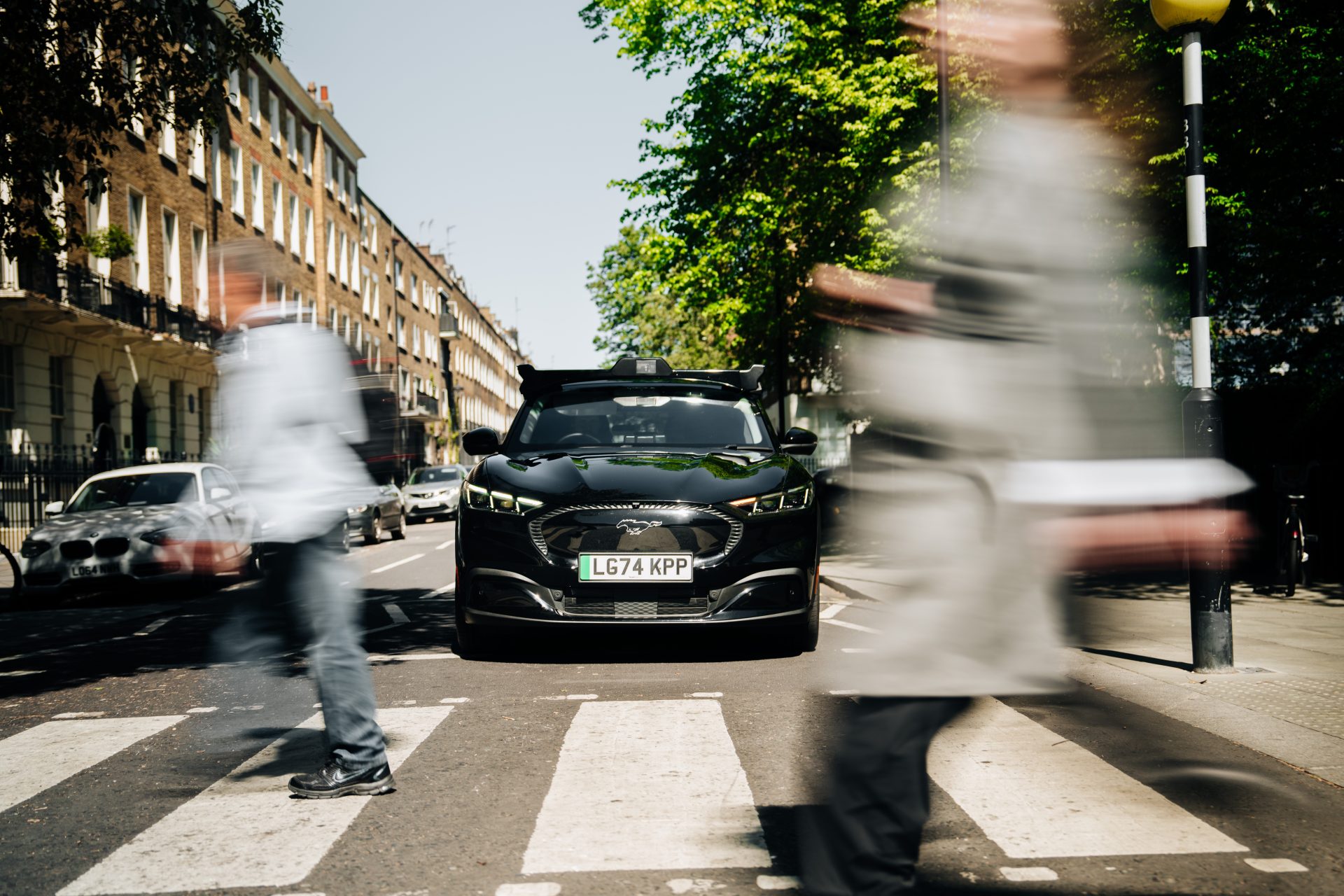
Wayve and Uber’s September 2026 London launch uses trained TfL-licensed private-hire drivers onboard. MOIA America and Beep’s Lake Nona passenger testing uses highly trained onboard human operators. Both show why passenger-facing “autonomous” service can still be supervised.